Defining the Job of an Arborist: Key Services for Tree Well-being and Maintenance
An arborist is indispensable for sustaining tree health and long life. They apply specialized skills to assess trees and develop tailored care strategies. This includes trimming, detecting diseases, and handling soil health. Arborists play a crucial role in promoting sustainable development. Their skill set not only enhances the visual appeal of landscapes but also promotes ecological balance. Knowing their main offerings can reveal the significant impact they have on city and country environments alike.
The Necessity of Arborists in Tree Maintenance
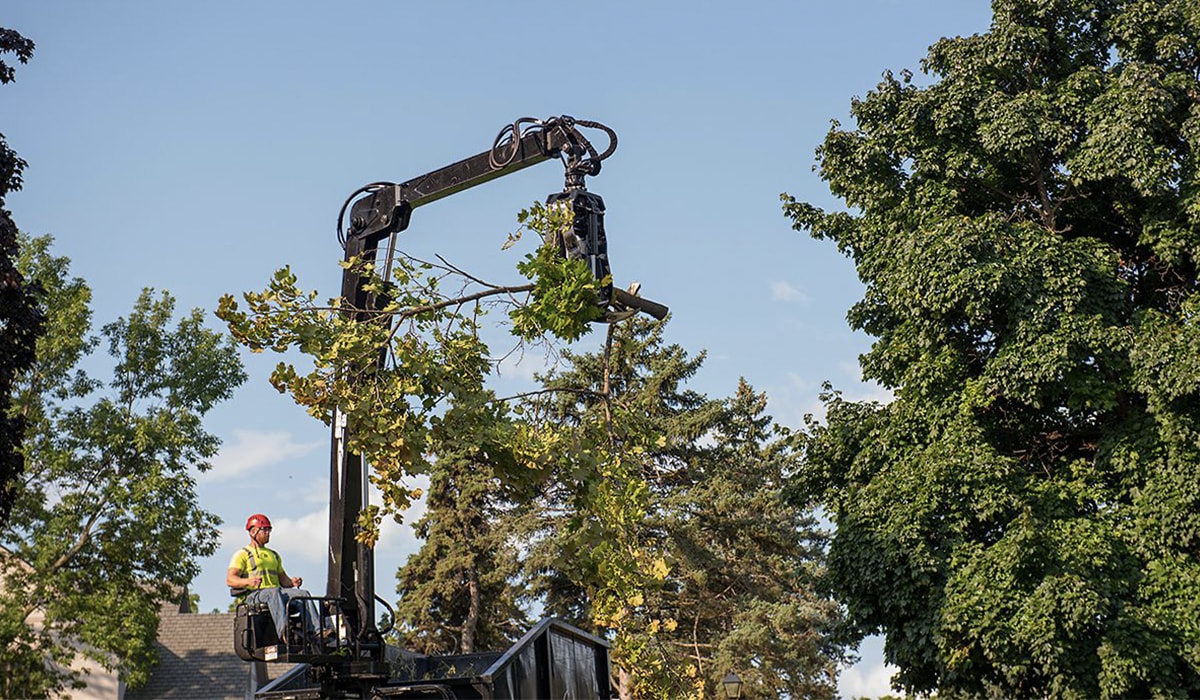
Even though many residents may overlook the function of arborists, their expertise is essential for preserving tree health and long life. Tree specialists are trained professionals who focus on the health and management of trees. They possess in-depth knowledge of tree life science, diseases, and environmental elements affecting growth. By examining tree health, arborists can identify potential concerns, ranging from pest infestations to nutrient shortages.
Their offerings cover a range of essential tasks, including soil management, tree assessments, and comprehensive maintenance plans. Tree care experts also play a significant role in making sure trees are situated in appropriate locations, factoring in factors such as sunlight, drainage, and space for growth. Their guidance assists homeowners to make informed decisions that foster sustainable tree development. By utilizing arborist care, homeowners not only improve the aesthetics of their landscapes but also aid the ecological balance of their environment, ensuring trees thrive for generations to come.
Essential Tree Pruning Methods
Effective tree pruning techniques are vital for keeping healthy and vibrant trees. Tree specialists employ various methods to improve tree structure, encourage growth, and remove dead or diseased branches. One basic technique is crown reduction, which includes carefully cutting back branches to increase light penetration and air flow. Another important method is crown raising, where the lowest boughs are removed to increase ground clearance and viewing areas. Additionally, the practice of reducing the crown lowers the volume of a tree’s canopy, reducing strain while keeping its natural silhouette.
It is also vital to time the work; it is usually best to prune during its resting phase in late winter or early spring. This reduces the loss of sap and promotes robust development. Arborists recommend using sharp, clean tools to make precise cuts, which assists in avoiding damage to the tree. Overall, these important procedures don't just boost visual attractiveness but also substantially aid the tree's overall health and longevity.
Tree Planting and Transplanting
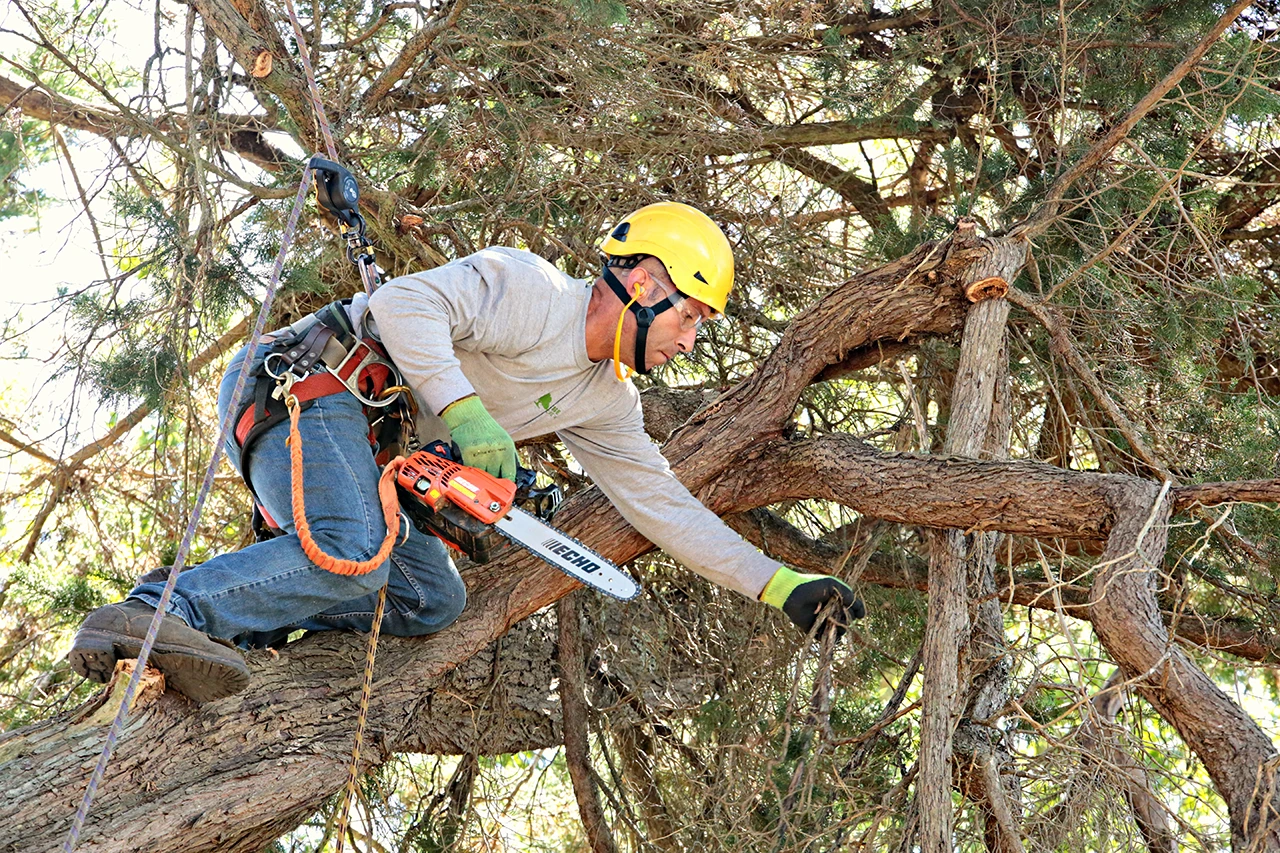
When considering the establishment of new trees, correct methods for planting and moving trees are essential for ensuring their successful growth and assimilation into the environment. Arborists stress the necessity of choosing the correct type of tree for the location's environment, as well as preparing the planting hole correctly. The hole should be wide enough to accommodate the root system, allowing for proper spreading and oxygen exchange
During transplantation, precautions must be observed to reduce disruption to the roots, which can hinder a tree's ability to establish itself in the new location. Arborists advise moving trees during the dormant season to minimize strain on the tree
(Florence Arborist)After planting or relocation, adequate irrigation and mulching are essential to support the tree's successful rooting. Arborists also advise monitoring the tree’s growth and adjusting care practices as needed to secure a smooth integration into the surrounding environment, which helps create a healthy setting
Identifying Tree Illnesses and Infestations
What is the best way to recognize the signs of tree diseases and insects? Arborists rely on an expert grasp of tree biology and surrounding influences to identify these problems. Symptoms such as discolored leaves, lack of vigor, or early defoliation frequently signal hidden issues. Furthermore, the presence of unusual growths, such as cankers or galls, can signal infections or infestations.
Arborists also inspect the trunk covering for wounds, holes, or sawdust-like material, which could imply pest presence. Examining the soil and surrounding environment assists in pinpointing factors causing stress, like poor drainage or nutrient deficiencies. Familiarity with seasonal trends is vital, as certain pests appear at particular times.
Arboricultural Health Evaluations and Maintenance Plans
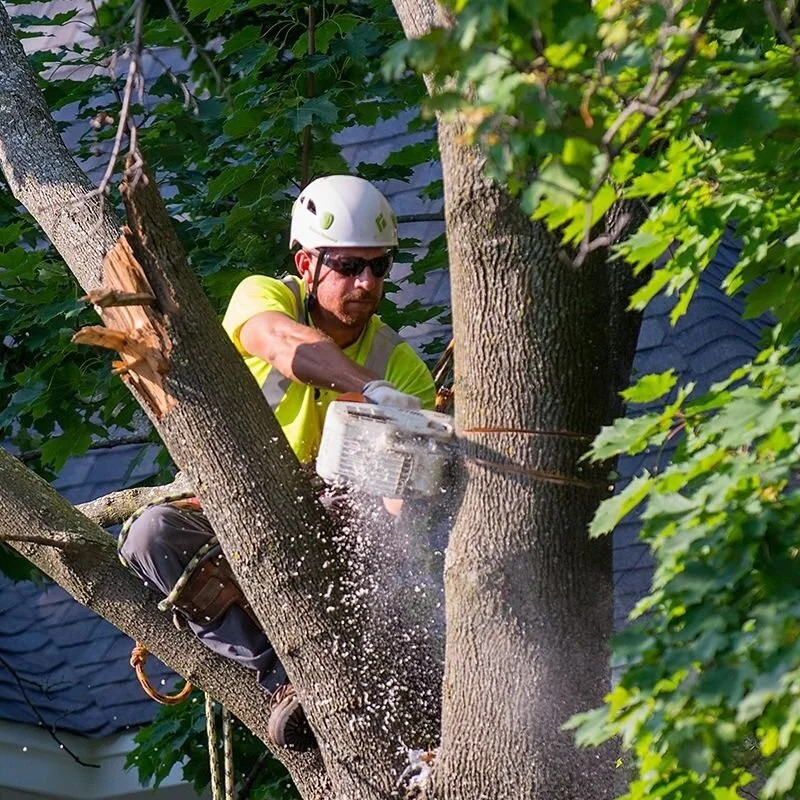
Which methods can be employed to ensure optimal tree health? Arborists often begin by performing detailed tree health checks, which involve a detailed examination of the tree's current status, covering its physical structure, leaves, and the root zone. This assessment helps identify potential concerns such as pathogens, harmful insects, or external stressors. Once the inspection is complete, a customized care plan is created, addressing specific needs
Standard parts of these strategies involve appropriate irrigation timetables, fertilization techniques, and trimming procedures to enhance growth and resilience - Florence Arborist. In addition, experts often advise using mulch and handling the soil to improve nutrient availability and keep the soil damp. Consistent observation is crucial, enabling changes to the maintenance plan as conditions change. Through the execution of these methods, the health and longevity of trees can be significantly enhanced, making sure they flourish in their habitat and simultaneously benefiting the overall ecosystem
The Function of Tree Specialists in City Tree Management
Arborists play an essential role in municipal tree care by caring for and keeping up the condition of trees in city environments. Their specialized knowledge significantly adds to the ecological stability and aesthetic value of urban areas. Arborists engage in tree planting, ensuring appropriate species selection based on the specific site conditions and municipal planning necessities. They conduct regular health assessments to recognize pathogens, harmful pests, and physical defects, carrying out focused interventions to enhance tree health.
Moreover, arborists formulate and carry out maintenance plans that include trimming, feeding, and watering, maximizing tree development and lifespan. They learn the details further instruct the public about the importance of trees and proper care practices. By collaborating with city planners and ecological groups, arborists contribute to sustainable urban development, promoting biodiversity and improving air quality. Their work is crucial for establishing natural areas which help both inhabitants and the environment, thereby supporting more robust urban ecosystems.
Questions and Answers
What is the Best Way to Find a Certified Arborist Near Me?
In order to locate a professional tree expert in the local area, it is advisable to check online directories, check with local nurseries, or contact tree care organizations. It's crucial to check their qualifications and check feedback to ensure high-quality work.
What Qualifications Should I Look for in an Arborist?
If you are hiring an arborist, it is important to find certifications such as ISA or ASCA, sufficient expertise, proper insurance, and a solid reputation via testimonials. These credentials ensure professionalism and skill in arboriculture and maintenance.
Is There a Best Time for Tree Pruning?
Tree pruning is most effective during late winter or the beginning of spring when trees are dormant. However, some species benefit from summer pruning. The right time copyrights on the tree type and specific growth patterns to ensure vitality and shape.
What is the Price Range for Arborist Work Typically Cost?
The average price for arborist work is between $300 and $1,500, influenced by things like tree size, location, and the difficulty of the job - Florence Arborist. Prices may vary considerably based on local market needs and service provider expertise
Is it Possible to Handle Tree Maintenance Without Professional Help?
Yes, individuals can perform basic tree care without professional help, for example watering and mulching. But, for advanced procedures, such as trimming or identifying illnesses, it is advisable to hire a qualified tree expert to maintain healthy trees.